XAIDATA
Spring School on Explainability of Data Intensive AI Systems at the ETIS laboratory, CY University/ENSEA/CNRS
Application process
- Please fill in the provided form in the application link.
- Applications are free.
- Coffee breaks and lunches are offered and organised at the school, to promote networking.
- 25 participants max
Applications link: Application Form
School Program
Motivation and Objectives
The abundance of data offers many opportunities for technological innovations and for improved decision making in science, industry, and daily life. At the same time, new challenges and dilemmas are raised related to the way in which data-driven technologies are embedded in our society. In particular, employed to aid critical decision making in high-stakes domains such as healthcare, finance, and law, we have to ensure that relevant stakeholders are able to understand why a data-intensive algorithm has come to a certain result. Such an understanding is crucial to determine if, when, and how much to rely on the generated outputs requested for building safe, reliable, and compliant Artificial Intelligence (AI) systems.
The XAIDA Spring School aims to familiarize graduate and undergraduate students, engineers and early stage researchers from different disciplines with the core concepts and methods in the emerging field of eXplainable Artificial Intelligence (XAI). The School will cover alternative perspectives to understand explainability including:
-
Different Families of Methods
- Feature vs Data Attribution
- Local vs Global
- Associative vs Causal
-
Different Processing/Modeling Tasks
- Classification
- Regression / Forecasting
- Survival Analysis
- Query Answering
- Retrieval Augmented Generation
-
Different Data Modalities
- Tabular Data
- Images
- Time Series
- Graphs
-
Different Domains
- Healthcare
- Predictive Maintenance
- Material Science
- etc.
-
Different Evaluation Techniques
- Quanditative
- Qualitative through User Surveys
- exchange and discuss recent advances in explainability for data intensive AI systems,
- provide a training and mentoring environment for master students, doctoral and postdoctoral researchers, and early carreer researchers,
- identify methodological challenges and opportunities for joint research on graph learning, recommendations, causal explanation methods and RAG pipelines,
- establish future collaborations, including publications, proposals, and student mobility initiatives.
Speakers
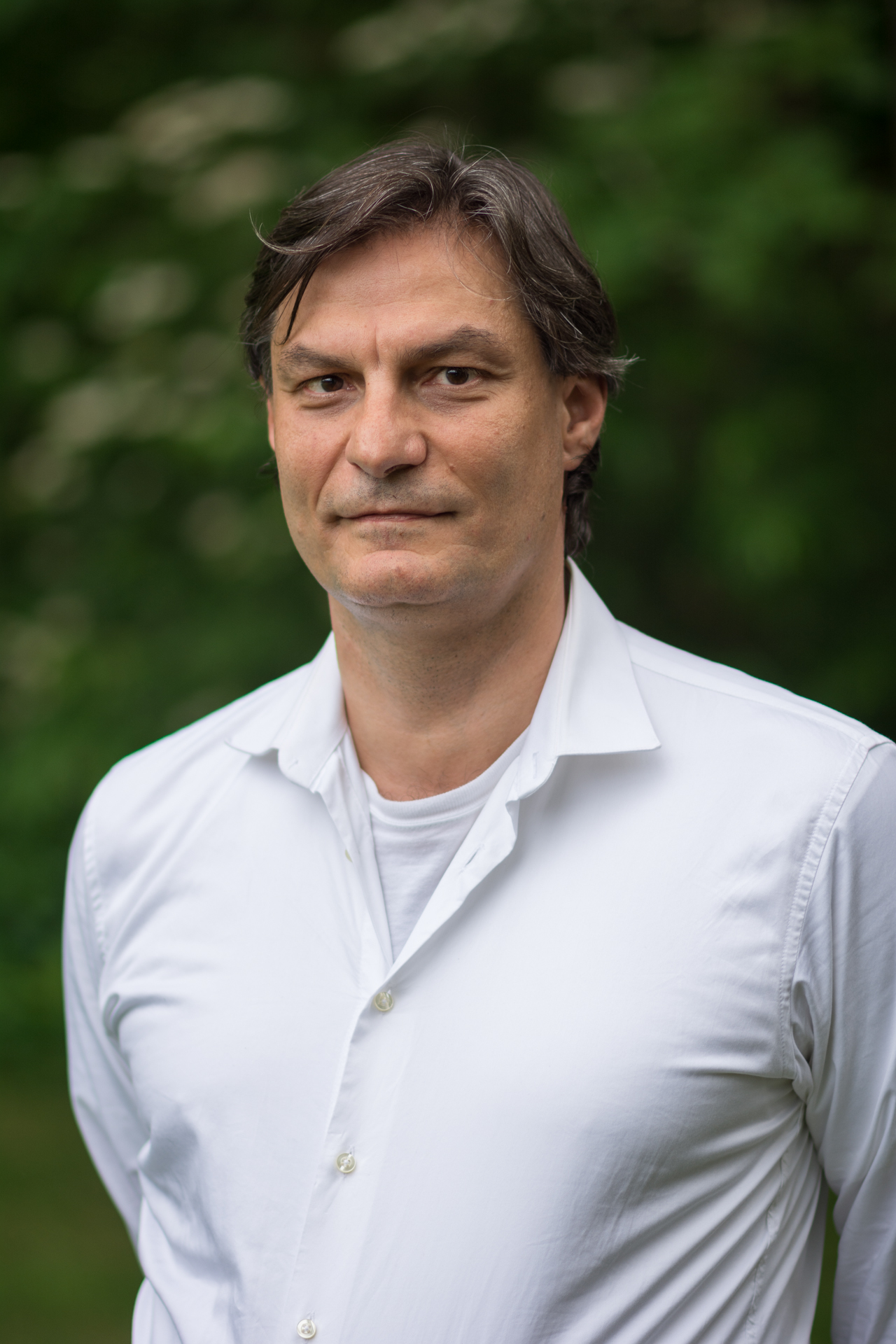
Vassilis Christophides, Professor , ENSEA, ETIS laboratory
Prof. Vassilis Christophides studied Electrical Engineering at the National Technical University of Athens (NTUA) in 1988, he received his DEA in computer science from the University PARIS VI in 1992, and his Ph.D. from the Conservatoire National des Arts et Metiers (CNAM) of Paris, in 1996. From September 2020, he joined as Full Professor the École Nationale Supérieure de l’Électronique et de ses Applications (ENSEA), Cergy. Previously, he has served the Computer Science Department of the University of Crete for 16 years. His main research interests span Machine Learning Systems, Data Science and Big Data Computing, Databases and Web Information Systems, as well as Digital Libraries and Scientific Systems. On these topics, he has published over 170 articles in top-tiered journals and conferences. His research work has received more than 8600 citations with an h-index 50 according to Google Scholar. He was a recipient of the 2004 SIGMOD Test of Time Award, and of several best paper awards in BDA (2021), ISWC (2003, 2007, 2009). He chaired (General Chair of the EDBT/ICDT Conference in 2014, Area or Track Chair in KDD 2024&2025, ICDE 2016, SCC 2004, EDBT 2004) or served on program committees of numerous conferences (SIGMOD, VLDB, ICDE, EDBT, WWW, KDD, CIKM, etc.) while he has also acted as reviewer of several journals (CACM, TODS, TOIS, TOIT, VLDB Journal, TDKE, DPS, etc.). He has also been a keynote or invited speaker in conferences and summer schools (PODS 2003, HDMS 2004, ESWC Summer School 2013, WebST 2016, BDA Summer School 2018, GDR RO/IA Summer School 2023, ForgtAI 2026).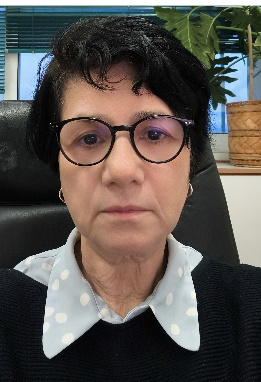
Evaggelia Pitoura, Professor, University of Ioannina, Archimedes, Athena RC Greece
Evaggelia Pitoura is a Professor at the Department of Computer Science and Engineering at the University of Ioannina and a Lead Researcher at Archimedes Research Unit, Athena RC, Greece. She holds a BEng degree from the University of Patras, Greece, and an MS and PhD from Purdue University, USA. Her current research interests focus on two primary areas: responsible data management, with a focus on fairness, explainability, and their interplay; and on graph exploration and analysis. For her work, he has received best paper awards, a Marie Currie Fellowship and two Recognition of Service Awards from ACM. She is an ACM senior member, founding chair of the Hellenic ACM SIGMOD chapter, and member of the sectorial scientific council of Greece National Council for Research, Technology and Innovation.
Luis Galarraga, Permanent Researcher, INRIA Rennes
Luis Galárraga is a full-time researcher at the IRISA/Inria Rennes research center. His research lies at the crossroads of three axes: pattern mining, knowledge management, and eXplainable AI. His work on eXplainable AI focuses both on the functional and human dimensions of explanations for black-box models trained on different data modalities including tabular data, time series, knowledge graphs, and textual corpora. The ultimate goal of his research is to ensure that AI systems can deliver explanations that are faithful, but also trustworthy and fully understandable to their human recipients. To this end his work also comprises the deployment of user studies that assess the impact of explainable AI systems on key cognitive aspects such as understanding or confidence in AI. He is one of the founders and recurrent organizer of the AIMLAI workshop on Advances in Interpretable Machine Learning and AI since 2019.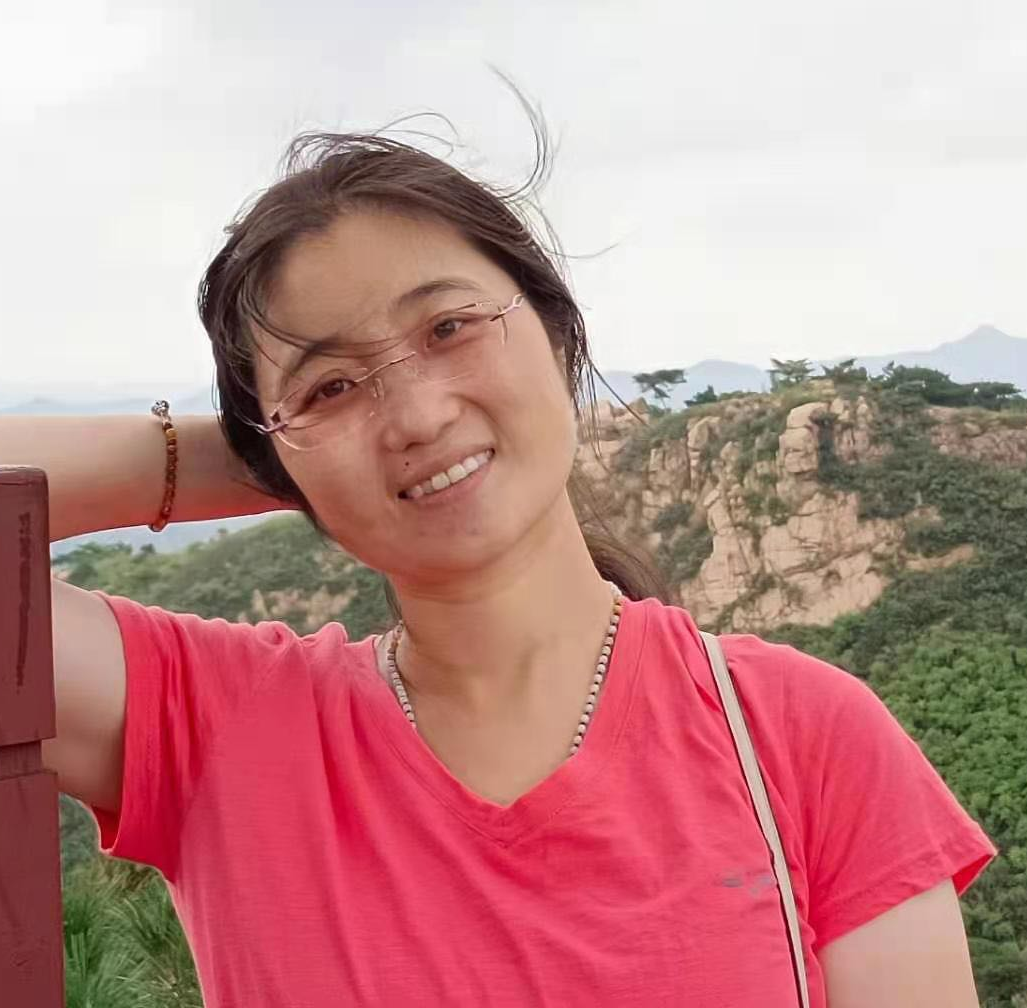
Yue Ma, Associate Professor, University of Paris Saclay
Yue Ma is an Associate Professor at Unviersity Paris-Saclay and the LISN laboratory in France. Her research interests include inconsistency handling and measuring for knowledge bases, semantic web, ontology modularization, description logic based ontology construction. She has published in top-tier conferences or journals (AAMAS, KR, ECAI, ISWC, ESWC, JELIA, K-CAP, etc.) and has served as PC of major international conferences/journals (AAAI, IJCAI, IJAR, ECAI, ISWC). She has co-organised the first and second International Workshop on Hybrid Question Answering with Structured and Unstructured Knowledge with WWW2018 and K-CAP2019.
Badran Raddaoui, Associate Professor, Télécom SudParis, Samovar Laboratory
Badran Raddaoui is an Associate Professor in the Computer Science Department at Télécom SudParis and the Polytechnic Institute of Paris. His research focuses on knowledge representation, reasoning under inconsistency, non-monotonic reasoning, and argumentation theory. He also explores the integration of symbolic AI methods with data and graph mining, as well as their application to the explainability of machine learning models. His contributions have been published in leading AI venues (IJCAI, AAMAS, KR, CP, etc.) More recently, his work has extended to the development of logic-based approaches for enhancing the reasoning capabilities of large language models. He regularly serves on the program committees of several top-tier AI conferences (e.g., IJCAI, AAAI, KR, AAMAS).
Guillaume Renton, Associate Professor, ENSEA, ETIS laboratory
Guillaume Renton is an Associate Professor at the École Nationale Supérieure de l’Électronique et de ses Applications (ENSEA) at Cergy. His main research interests include Graph Learning and Graph Neural Networks, and their applications in Knowledge Graphs, Molecular Graphs. He is also interested in Graph Factual and Counterfactual Explainability for Graph Classification and Regression, but also for Generation and in an AI for Science point-of-view.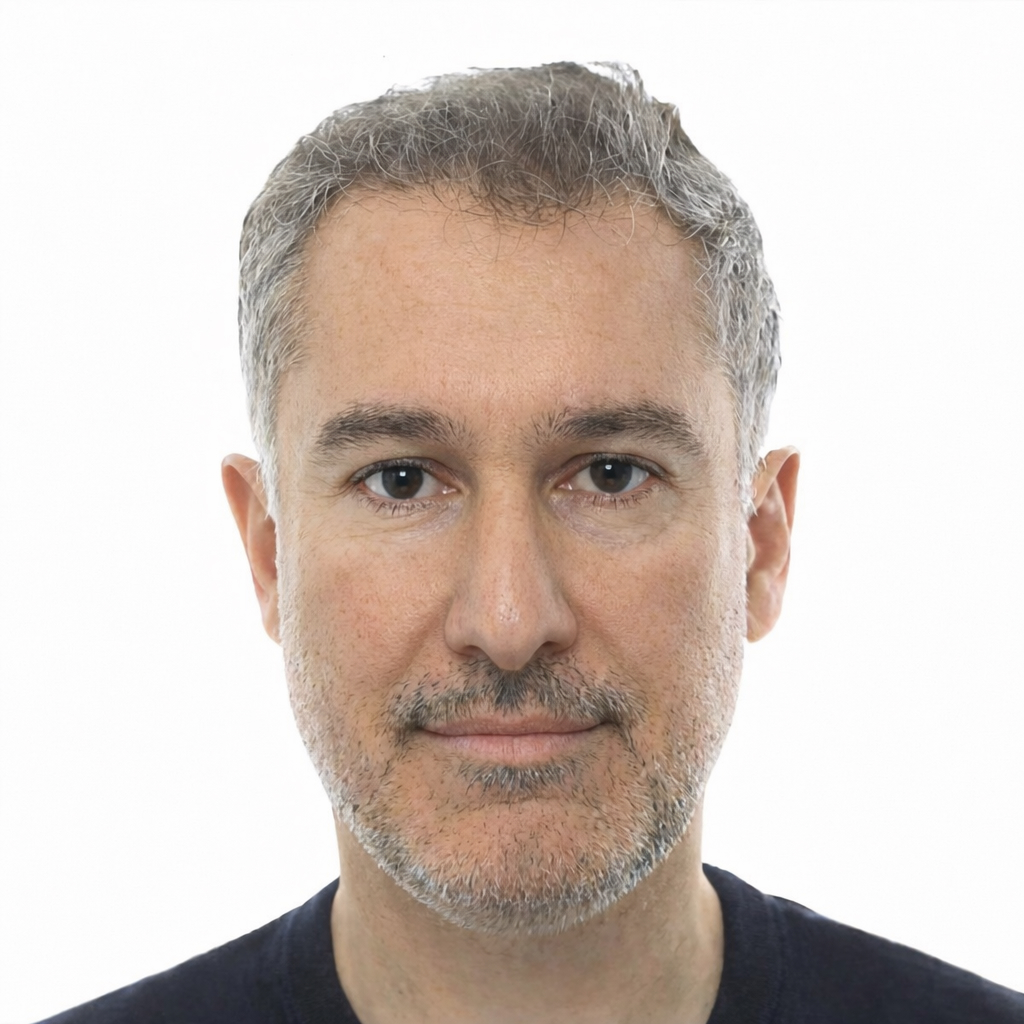
Dimitris Sacharidis, Assistant Professor, Université Libre de Bruxelles, Belgium
Dimitris Sacharidis is an assistant professor at the Data Science and Engineering Lab of the Université Libre de Bruxelles, Belgium. He is also a member of the AI for Common Good Institute (FARI) Brussels, leading the trust flagship project. Prior to that he was an assistant professor at the Technical University of Vienna, and a Marie Skłodowska Curie fellow at the ``Athena'' Research Center and at the Hong Kong University of Science and Technology. He finished his PhD and undergraduate studies on Computer Engineering at the National Technical University of Athens, while in between he obtained an MSc in Computer Science from the University of Southern California. His research interests revolve around responsible AI, focusing on topics such as explainability, algorithmic fairness, model safety and trust.
Katerina Tzompanaki, Associate Professor, Cergy Paris University, ETIS laboratory
Katerina Tzompanaki is an Associate Professor at CY Cergy Paris University, and the ETIS laboratory in France. Previously, she has been a visiting researcher at Télécom SudParis Palaiseau, a post-doctoral researcher at Télécom ParisTech, and a PhD candidate at University of Paris Saclay. She has obtained her Electrical and Computer science engineering diploma from the National Technical University of Athens. Her research focuses on the explainability of data processes and machine learning algorithms. Her work has been published in top-tier international conferences such as VLDB, ICDE, CIKM, EDBT, PAKDD, ISWC among others. She has previously co-organised the `Forging Trust In Artificial Intelligence' Workshop 2024 and 2025, co-located with the 'International Joint Conference on Neural Networks (IJCNN)' conference. Moreover, she has served as Publicity co-chair for the `International Conference of Web Engineering 2024' (ICWE24) and currently serves as the Publications co-Chair of the International Conference on Information Technology for Social Good (GoodIT26). Finally, she regularly serves in the program committees of top-tier conferences like IJCAI, VLDB, SIGMOD, AAAI, EDBT, and CIKM.
Issam Falih, Associate Professor, Université Clermont Auvergne, LIMOS laboratory
Issam Falih is an associate professor at Université Clermont Auvergne, and a member of the Data, Services, Intelligence (DSI) research group at the LIMOS laboratory. He holds a PhD in computer science from Université Sorbonne Paris Nord, an engineering degree in computer science and statistics from INSEA, and a master’s degree in machine learning from Université Paris Dauphine. His research focuses on machine learning and its applications, covering topics such as unsupervised learning, topological learning methods, transfer learning, and more recently explainable artificial intelligence.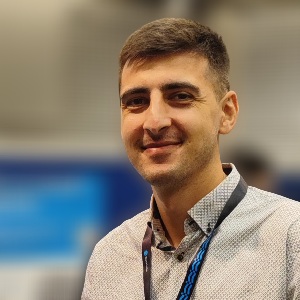
Apostolos Giannoulidis, Post-Doc, Cergy Paris University, ETIS laboratory
Since October 2025, Apostolos Giannoulidis has been a postdoctoral researcher at CY Cergy Paris University, and a member of the DATA & AI group at the ETIS laboratory. He defended his doctoral thesis, entitled “Non-supervised failure prediction in dynamic environments,” in August 2025. His PhD research was conducted at the Aristotle University of Thessaloniki, under the supervision of Professor Anastasios Gounaris, and focused on time-series anomaly detection and predictive maintenance in dynamic environments. Before joining CY Cergy Paris University, he was a research assistant at the Data Lab of the Aristotle University of Thessaloniki, collaborating with Atlantis Engineering and Istognosis Ltd on industrial and fleet predictive maintenance projects. He received his Bachelor’s degree in Informatics from the Aristotle University of Thessaloniki in 2020, graduating among the top 5% of his class.Organisers
- Vassilis Christophides (ETIS, CNRS, ENSEA, CYU, France)
- Evi Pitoura (University of Ioannina, Greece)
- Dimitris Kotzinos (ETIS, CNRS, ENSEA, CYU, France)
- Katerina Tzompanaki (ETIS, CNRS, ENSEA, CYU, France)
Sponsors




Contact
For general enquiries, program questions, or travel information, contact the organisers.
- SpringSchool email: Katerina Tzompanaki